Introduction
Bathroom tiles are the foundation of a durable, water-resistant, and visually appealing bathroom. From moisture protection to easy upkeep, choosing the right bathroom tiles impacts long-term maintenance and property value. This guide covers tile types, design ideas, practical selection criteria, installation considerations, and care tips to help homeowners, designers, and contractors meet EEAT standards—evidence-based, authoritative, and trustworthy guidance.
Types of Bathroom Tiles
Ceramic Tiles
Ceramic tiles are made from clay fired at high temperatures. They are affordable, lightweight, and come in a wide range of colors and patterns. Best for walls and low-traffic areas; glazed ceramic surfaces resist moisture but may chip under heavy impact.
Porcelain Tiles
Porcelain tiles are a denser subset of ceramic tiles with low porosity. They excel on floors and in wet areas due to their durability and slip resistance when properly chosen. They offer excellent resistance to water, staining, and wear but can be more expensive and harder to cut for complex layouts.
Natural Stone Tiles
Natural stone such as marble, travertine, or slate delivers a luxurious, unique look. Each tile has natural veining and color variations. Stone requires sealing to guard against stains and moisture and may need regular maintenance to preserve its appearance.
Glass Tiles
Glass tiles reflect light and create a contemporary, luminous effect on walls and backsplashes. They are non-porous and easy to clean but can be slippery on floors and may require careful installation to avoid grout lines showing through.
Alternative and Special-Order Tiles
Brick-shaped subway tiles, large-format porcelain, and mosaic sheets offer striking options for modern bathrooms. Peel-and-stick tiles provide a quick DIY upgrade for rental spaces, though durability and grout sealing vary by product.
Design Styles and Layouts
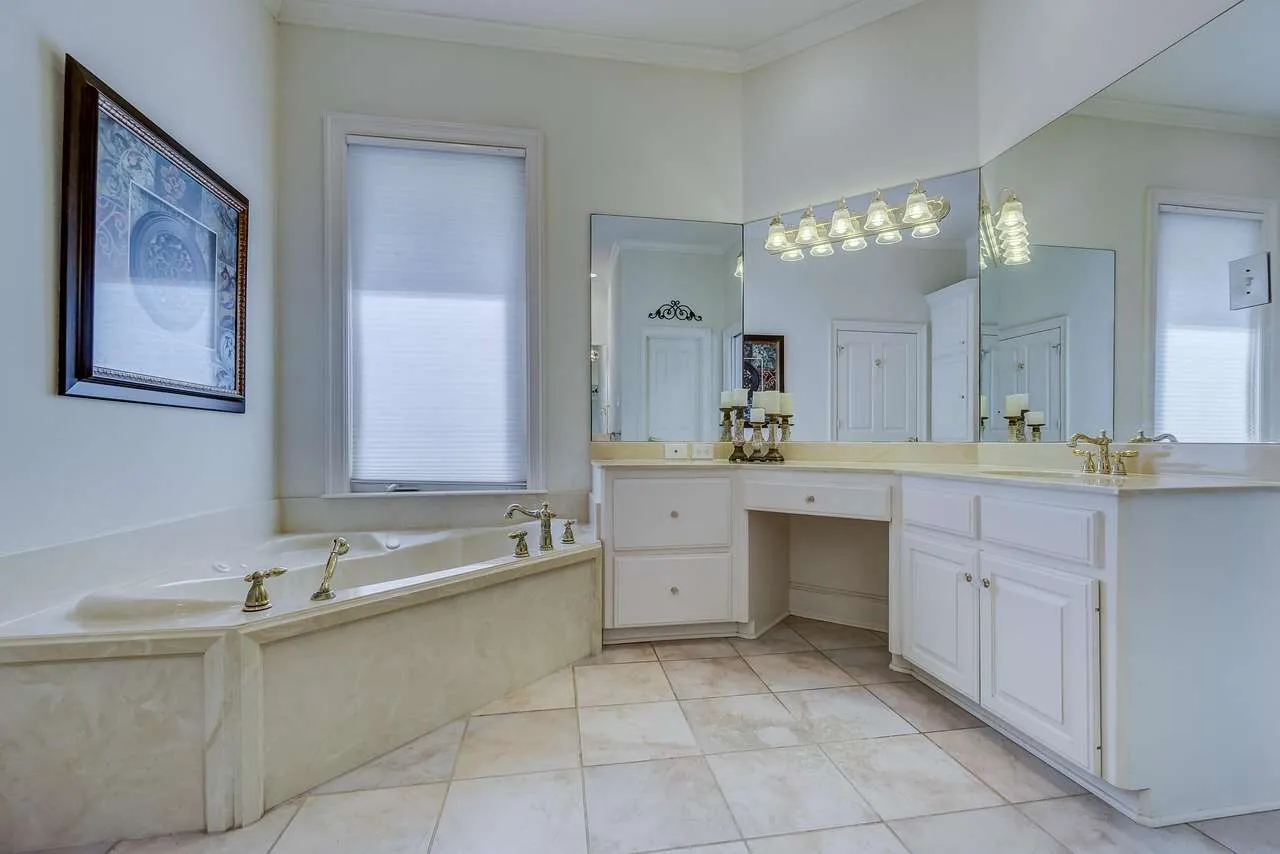
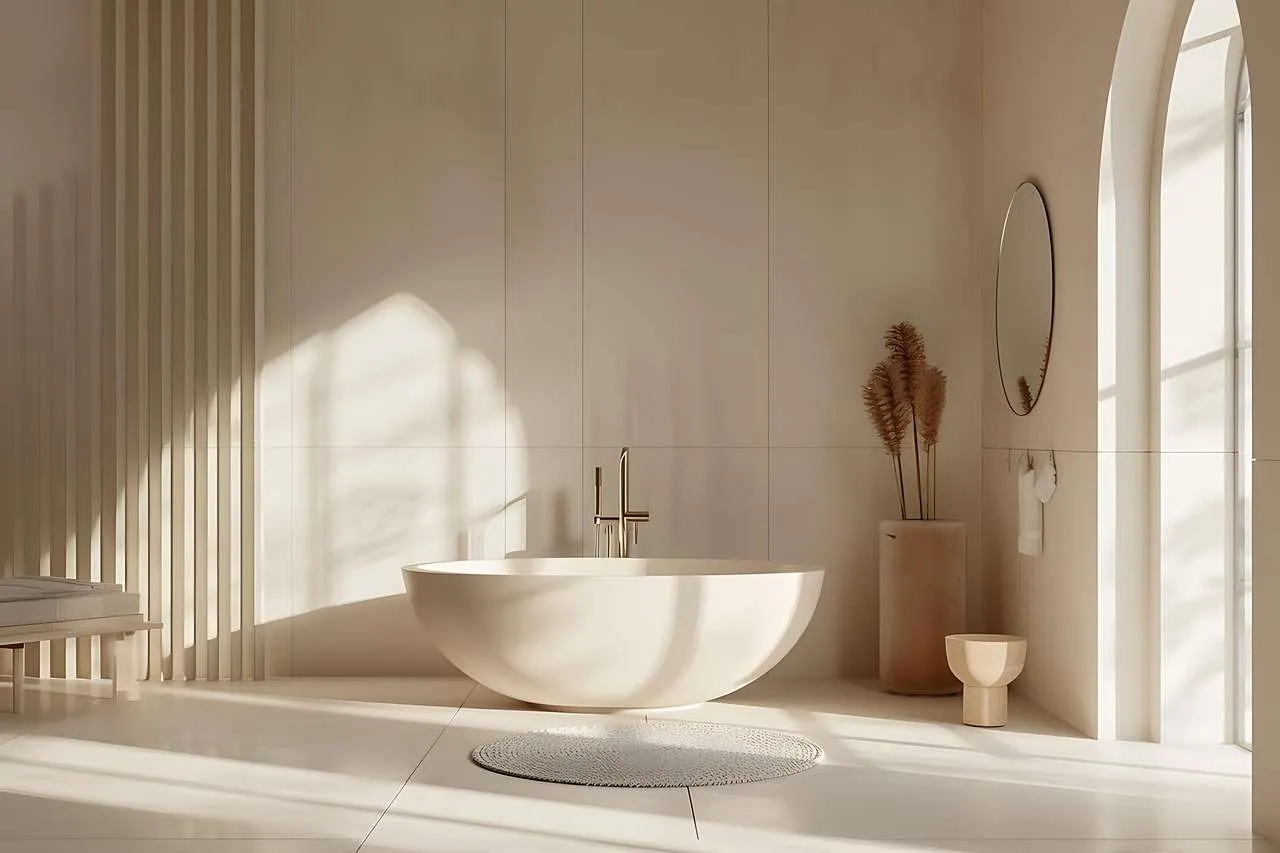
Tile design is a powerful tool to set the bathroom mood. Subways arranged in a herringbone pattern create movement, while large-format planks produce a sleek, seamless look. Neutral palettes—warm beiges, cool grays, or crisp whites—pair with bold accents such as a colored grout or a glass tile border. For safety and accessibility, consider slip-resistant finishes for floor tiles and lighter grout in shower surrounds to minimize mold growth and make cleaning easier.
Choosing the Right Tile
Key decision factors include space size, moisture levels, foot traffic, and maintenance willingness. Consider the following:
- Tile size: Smaller tiles can reduce slipperiness on irregular shower floors, while large-format tiles minimize grout lines in compact spaces.
- Finish: Matte or satin finishes are often less slippery than high-gloss surfaces and hide water spots better.
- Color and grout: A lighter grout brightens spaces, but darker grout can hide stains; match or contrast to achieve the desired effect.
- Slip resistance: Look for a dynamic coefficient rating or a floor tile with a texture appropriate for wet areas.
- Sealing: Natural stone and some unglazed tiles require regular sealing; porcelain and ceramic generally require less maintenance.
Durability, Maintenance, and Longevity
Durability depends on tile type, installation quality, and care. Porcelain and ceramic tiles are low-maintenance when installed correctly. Sealing natural stone and grout lines protects against moisture and staining. Clean with non-abrasive cleaners, avoid harsh chemicals, and address mold or mildew promptly. Regrouting or resealing may be needed every few years in high-humidity bathrooms.
Installation Considerations and Professional Help
Proper substrate preparation, waterproofing, and correct adhesive selection are critical. In wet zones, install a waterproof membrane behind tiles to prevent leaks. If you’re not skilled in cutting tiles or evaluating floor slope, hiring a licensed tiler ensures durability and safety. DIY installations should start with a small, simple project and use guides and safety gear.
Tile Type Comparison
| Tile Type | Best For | Pros | Cons | Maintenance |
|---|---|---|---|---|
| Ceramic | Walls and light-duty surfaces | Affordable, wide range | Less durable on floors | Easy to clean |
| Porcelain | Floors and wet areas | Durable, water resistant | Higher cost, harder to cut | Low maintenance |
| Natural Stone | Luxury look | Unique patterns | Porous, requires sealing | Sealing; periodic resealing |
| Glass | Backsplashes and accents | Reflects light; modern | Can be slippery on floors | Non-porous; easy to clean |
Maintaining Your Bathroom Tiles
Establish a routine cleaning schedule and use pH-balanced cleaners suitable for tile type. Reseal natural stone or grout as recommended by manufacturers. Address grout staining quickly to prevent deeper discoloration. Ventilation helps reduce moisture-related issues and prolong tile life.
Conclusion
Summary: Bathroom tiles offer durability, aesthetics, and value when chosen with space, safety, and maintenance in mind. By selecting appropriate tile types, finishes, and layouts—and by following proper installation and care practices—you can achieve a bathroom that looks great today and lasts for years. EEAT-driven design means prioritizing high-quality materials, professional installation for complex projects, and evidence-based maintenance routines to ensure long-term performance.