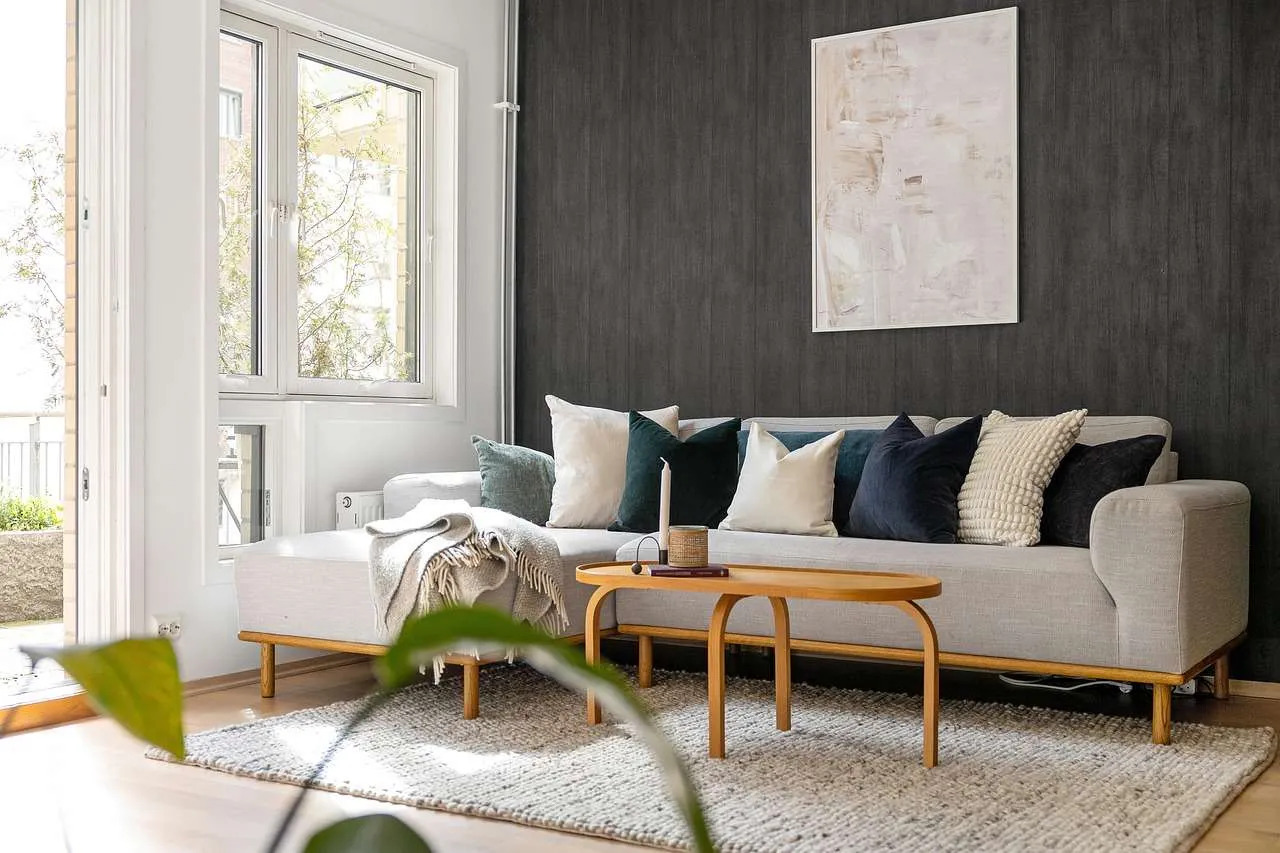
What is Home Window Tint?
Home window tint refers to films applied to interior or exterior glass surfaces to control sunlight, heat, and glare. These films are engineered with multiple layers that can block UV rays, reduce infrared heat, and enhance privacy without sacrificing natural light. Modern home window tint options are designed to be durable, easy to maintain, and compatible with most standard windows.
Benefits of Home Window Tint
Applying tint to residential windows offers a range of advantages that address comfort, safety, and long-term costs:
- UV Protection: Most window films block up to 99% of damaging UV rays, protecting furniture, flooring, and artwork from fading.
- Energy Efficiency: Reducing solar heat gain lowers cooling demand in summer and helps stabilize indoor temperatures year-round.
- Glare Reduction: Tint minimizes glare on screens and reflective surfaces, improving comfort for workspaces and living areas.
- Privacy with Light: Many films maintain daylight while limiting visibility from outside.
- Safety and Security: Some films hold glass fragments in place during impact, adding a layer of protection against break-ins and shattered glass.
- Aesthetic Consistency: Tint can create a cohesive look across windows and improve curb appeal.
Types of Home Window Tint Films
Choosing the right film depends on your goals, budget, and window type. Here are common categories:
Dyed Films
Dyed films use a colored layer to absorb heat and reduce glare. They’re usually cost-effective but can fade over time and may not offer the strongest UV protection alone.
Metalized Films
Metalized films incorporate metallic layers to reflect heat. They’re effective but can interfere with electronic signals and sometimes look mirror-like from the outside.
Ceramic Films
Ceramic films are high-performance, non-metallic options that offer excellent heat rejection, UV blocking, and clarity. They’re among the most durable and are a popular choice for homes.
Low-E Films
Low-E (low emissivity) films are designed to maximize energy efficiency by minimizing heat transfer. They work well with dual- or triple-pane glass and can improve insulation in winter and reduce heat in summer.
Hybrid Films
Hybrid films blend metalized and dyed technologies to balance heat rejection, cost, and visibility.
Choosing the Right Film for Your Home
When selecting a film, consider:
- UV Rejection and Visible Light Transmittance (VLT): Higher UV rejection protects interiors; VLT affects daylight and privacy.
- Solar Heat Gain Coefficient (SHGC): Lower SHGC means less heat from the sun entering the home.
- Clarity and Color: Look for minimal color distortion to preserve exterior and interior views.
- Warranty and Longevity: A solid warranty indicates confidence in durability and performance.
- Window Compatibility: Some films perform best on single-pane or double-glazed units; verify with a professional install.
- Building Codes and Aesthetics: Ensure color and privacy levels comply with local guidelines and neighborhood aesthetics.
Installation and Maintenance
Most homeowners benefit from professional installation to ensure proper adhesion, air removal, and uniform tinting. DIY kits exist, but improper application can cause bubbling, creasing, or premature failure. Maintenance is simple: wipe with a soft, non-abrasive cloth and mild soap. Avoid harsh cleaners that can degrade the film over time.
Cost and Return on Investment
Prices vary by film type, window size, and labor, typically ranging from $5 to $15 per square foot for professional installation. While ceramic and Low-E films cost more upfront, the long-term energy savings and protection from sun damage often justify the expense. For many homes, payback occurs within 3 to 7 years depending on climate, window orientation, and use patterns.
When calculating ROI, consider: reduced cooling loads, extended furniture life, fewer glare-driven disruptions, and potential increases in comfort year-round.
Comparison of Common Tint Types
| Type | Key Benefit | UV Reduction | Heat Rejection | Ideal For |
|---|---|---|---|---|
| Dyed | Cost-effective glare reduction | Moderate | Moderate | Budget projects |
| Metalized | Excellent heat reflection | High | High | Sun-heavy rooms |
| Ceramic | Best clarity and performance | Very High | Very High | Premium homes |
| Low-E | Energy efficiency across seasons | High | High | Newer double/triple-pane windows |
| Hybrid | Balanced performance and cost | High | Moderate | Mid-range budgets |
Practical Tips and Maintenance
Before booking a professional, gather window measurements, preferred darkness level, and any special needs (privacy from adjacent properties, clear outdoor views, or safety ratings). Post-install, avoid abrasive cleaners, and use soft cloths to preserve film integrity. Periodic inspection helps catch edge lifting or bubbling early, allowing timely repairs and warranty claims.
Choosing home window tint is a balance of performance, aesthetics, and cost. A reputable installer can help you select a film that meets energy targets while maintaining a bright, pleasant living space.
Conclusion, Home window tint offers a practical way to improve comfort, protect interiors, and boost energy efficiency, with a range of films that fit different budgets and needs. By understanding film types, UV and SHGC ratings, and installation considerations, homeowners can select a solution that pays back over time while preserving views and aesthetics.